
The Modern Approach to Medical Instruments in 2026
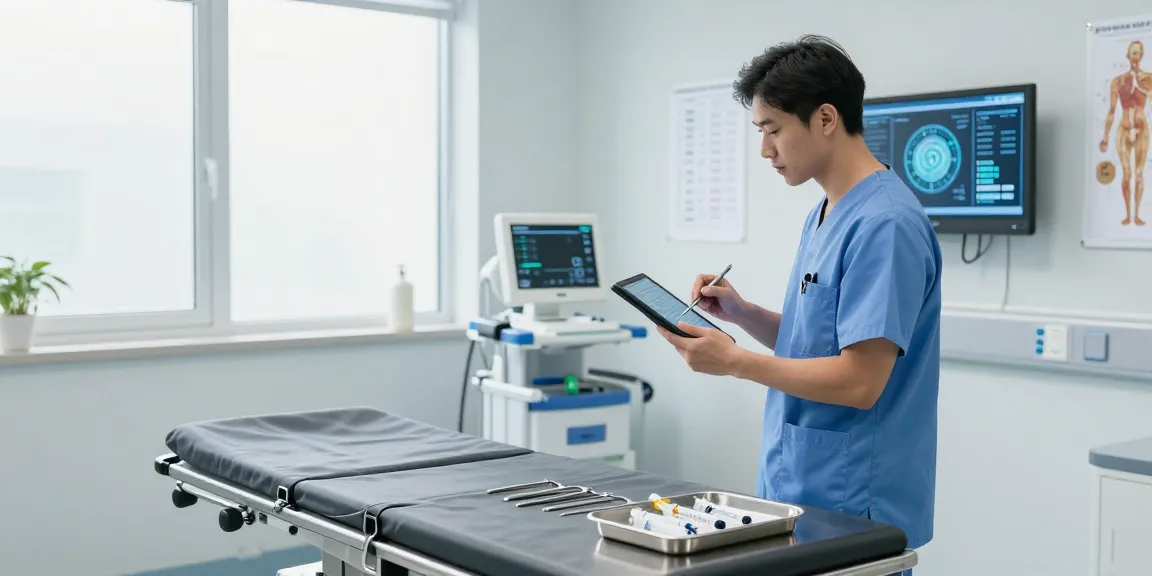
The Evolution of Medical Instruments: A Historical Overview
The domain of medical instruments has undergone remarkable transformations over centuries, evolving from rudimentary tools used by ancient civilizations to the sophisticated devices we rely on today. This evolution reflects not only advancements in technology but also a growing understanding of human anatomy and patient needs. Today, medical instruments encompass a broad spectrum of devices that are pivotal in diagnosis, treatment, and surgical procedures, underscoring their critical role in modern healthcare settings. When exploring options, Medical Instruments represent a cornerstone of quality patient care.
The Development of Surgical Instruments
The history of surgical instruments is as ancient as surgery itself. The first surgical tools date back thousands of years, with primitive knives and scalpels fashioned from flint and bronze. Ancient Egyptians utilized surgical instruments for procedures like trepanation, while the Greeks advanced instrument design, introducing tools like forceps and catheters. The Renaissance period marked a significant leap forward, with artisans crafting intricately designed instruments that improved precision and safety. The introduction of antiseptics and anesthesia in the 19th century revolutionized surgery, leading to the development of specialized instruments such as clamps, retractors, and suturing devices.
Technological Advancements Over the Decades
As technology advanced throughout the 20th century, so did the complexity and functionality of medical instruments. The advent of electronic technology introduced devices like electrocardiograms (ECGs), ultrasound machines, and computerized tomography (CT) scanners. These innovations not only enhanced diagnostic capabilities but also improved surgical accuracy and outcomes. The late 20th and early 21st centuries saw the rise of minimally invasive techniques, prompting the need for specialized instruments such as laparoscopes and robotic surgical systems, which are now commonplace in many operating rooms.
Key Innovations Shaping Modern Healthcare
Today, several key innovations are transforming the landscape of medical instruments. The integration of digital technology has led to the rise of smart instruments capable of real-time data analysis and connectivity with electronic health records. Moreover, advancements in materials science have resulted in stronger, lighter, and more biocompatible devices, enhancing patient safety and comfort. Additionally, 3D printing is enabling the custom fabrication of surgical instruments tailored to individual patient anatomies, further optimizing surgical outcomes.
Current Trends in Medical Instruments for 2026
As we progress into 2026, the medical instruments industry is undergoing significant shifts driven by technological advancements, changing patient demographics, and evolving healthcare needs. Understanding these trends is essential for healthcare professionals and procurement departments in hospitals to make informed decisions about the instruments they use.
Integration of AI and Robotics in Medical Devices
The integration of artificial intelligence (AI) and robotics into medical devices is one of the most significant trends shaping the future of healthcare. AI algorithms are being developed to assist in diagnostics, patient monitoring, and even in performing surgical procedures. Robotic surgical systems, such as those used in minimally invasive surgeries, enable greater precision and control, thereby improving patient outcomes. These advanced systems also allow for more complex procedures to be performed with less risk and shorter recovery times.
Minimally Invasive Instruments and Their Benefits
Minimally invasive instruments are gaining popularity due to their numerous benefits over traditional surgical methods. These instruments, which include laparoscopes and endoscopes, allow surgeons to perform complex procedures through small incisions, reducing recovery time and minimizing pain for patients. As technology improves, we can expect even more innovative designs that enhance the effectiveness of minimally invasive surgery, making it the preferred choice for many clinical situations.
Telemedicine and Remote Monitoring Tools
Telemedicine and remote monitoring tools are becoming indispensable in modern healthcare, especially post-pandemic. These technologies enable healthcare providers to monitor patient health parameters from afar using connected medical instruments. Devices like wearable health monitors and remote diagnostic tools not only improve patient access to care but also allow for timely interventions, ultimately enhancing patient outcomes.
Best Practices for Selecting Medical Instruments
Choosing the right medical instruments is a crucial aspect of ensuring effective patient care. Various factors should be considered to enhance decision-making, from quality standards to user requirements.
Evaluating Quality and Compliance Standards
When selecting medical instruments, it is essential to evaluate quality and compliance standards rigorously. Instruments must meet local and international regulatory requirements, such as those set by the Food and Drug Administration (FDA) or the European Medicines Agency (EMA). Compliance ensures that instruments are safe and effective for use. It is advisable to conduct thorough research on manufacturers’ certifications and the lifecycle of the instruments they provide.
Understanding User Needs and Facility Requirements
Healthcare facilities must assess the specific needs of their clinicians and the types of procedures they regularly perform. Engaging with end-users during the selection process helps ensure the chosen instruments align with practice realities. This approach fosters a culture of safety and efficiency within the facility, as staff are more likely to use instruments they are comfortable with and trust.
Cost Considerations and Budgeting Strategies
While cost is a significant factor in selecting medical instruments, it should not be the sole criterion. Facilities should consider the long-term value and durability of instruments alongside their initial purchase price. Engaging in strategic budgeting that includes lifecycle costs, maintenance, and expected usage can facilitate better financial decision-making. Additionally, exploring bulk purchasing options or partnerships with suppliers may yield cost savings without compromising quality.
Challenges in the Medical Instruments Industry
Despite advancements, the medical instruments industry faces several challenges that stakeholders need to navigate effectively.
Addressing Supply Chain Disruptions
The COVID-19 pandemic exposed vulnerabilities in global supply chains, highlighting the need for resilience and adaptability in sourcing medical instruments. Disruptions can lead to shortages, affecting patient care and hospital operations. Manufacturers are now seeking to diversify their supply sources and invest in local production to mitigate these risks in the future.
Managing Regulatory Compliance and Approvals
Regulatory compliance remains a significant challenge for manufacturers and healthcare providers. Navigating the complexities of obtaining approvals for new medical instruments can be time-consuming and resource-intensive. Companies must stay updated on regulatory changes and ensure that their instruments meet evolving standards, which can impact product development timelines and costs.
Navigating Rapid Technological Changes
As technology evolves at an unprecedented pace, keeping pace with the latest innovations can be daunting for healthcare facilities and manufacturers alike. Continuous training and education are essential to ensure that staff can effectively use new instruments and technologies. Furthermore, organizations must also consider how to integrate new technologies with existing systems to enhance patient care without causing disruptions.
Future Outlook: What’s Next for Medical Instruments?
Looking ahead, the future of medical instruments promises to be dynamic, with significant innovations anticipated in various areas that will continue to shape healthcare delivery.
Predictions for Innovation and Technology
Experts predict that the next decade will see further advancements in AI, robotics, and data analytics, leading to even more sophisticated medical instruments. Technologies such as augmented reality (AR) and virtual reality (VR) are expected to revolutionize training for medical professionals while improving patient engagement through interactive diagnostics and treatment plans. Instruments will likely become more interconnected, allowing for seamless data sharing that enhances the overall quality of care.
Preparing for Emerging Healthcare Needs
As global demographics shift and populations age, the demand for specific medical instruments tailored to treat chronic conditions, geriatric care, and personalized medicine is likely to increase. Manufacturers must be proactive in understanding these emerging healthcare needs to innovate and create instruments that address the challenges of diverse patient populations.
Expert Insights on Industry Trends
Industry experts emphasize the importance of agility and responsiveness to change. Facilities that foster a culture of curiosity and continuous improvement are more likely to adapt successfully to the fast-paced evolution of medical instruments. Engaging stakeholders—including healthcare providers, patients, and technology developers—in the innovation process can yield significant insights and lead to the development of instruments that truly enhance patient care.
What are the most important medical instruments in 2026?
In 2026, key medical instruments will likely include advanced surgical robots, AI-enabled diagnostic tools, and next-generation imaging technologies. These devices will not only enhance precision and improve patient outcomes but also optimize healthcare workflows.
How do technological advancements affect patient care?
Technological advancements significantly enhance patient care by enabling more accurate diagnoses, minimizing invasive procedures, and personalizing treatment plans. As instruments become more sophisticated, they contribute to safer, more effective healthcare delivery.
What challenges is the medical instruments industry facing?
The industry faces challenges including supply chain disruptions, regulatory compliance pressures, and the need to continuously adapt to rapidly evolving technology. Overcoming these barriers will be essential to maintaining quality care standards and innovating effectively.
How can facilities choose the right medical instruments?
Facilities can choose the right medical instruments by evaluating quality and compliance standards, engaging with end-users, and considering both short-term costs and long-term value. A collaborative approach to selection can enhance satisfaction and efficacy.
What are the predictions for medical instruments in the next decade?
Predictions for the next decade include increased integration of AI and robotics, a rise in telemedicine tools, and innovations aimed at enhancing patient comfort and safety. As healthcare continues to evolve, so will the instruments that support it.

