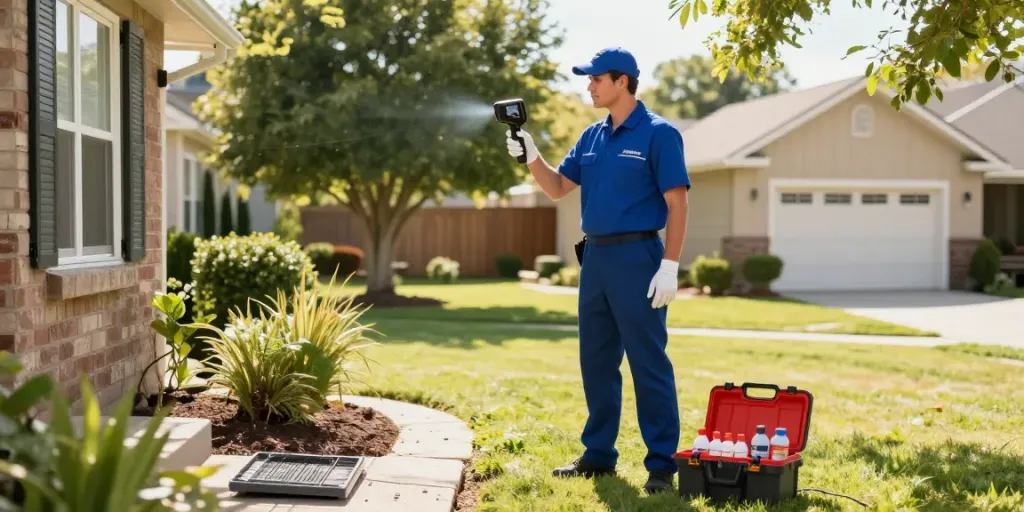
Understanding the Importance of Pest Control
Pest control plays a crucial role in maintaining healthy homes and environments. Without effective pest management strategies, homeowners risk facing numerous challenges that can disrupt their quality of life. Many people aren’t aware of the potential dangers posed by pests, nor do they consider the long-term benefits of proactive pest control measures. When exploring options, Pest control providers can offer comprehensive insights into effective solutions tailored to individual needs.
Why Pest Control Matters for Homeowners?
For homeowners, pest control is not just about eliminating visible pests; it’s about preventing infestations that can lead to extensive property damage and health risks. Rodents, insects, and other pests can compromise the structural integrity of a home, gnawing through wires, insulation, and wood. Furthermore, pests such as termites and ants can silently cause significant damage long before their presence is even detected.
Moreover, certain pests can pose serious health risks. For instance, mosquitoes are known carriers of diseases like West Nile and Zika virus, while rodents can transmit hantavirus and other pathogens. By implementing effective pest control strategies, homeowners can safeguard their health and wellbeing, ensuring their living spaces remain safe and comfortable.
The Impact of Pests on Health and Property
Beyond structural damage, pests can severely impact the health of residents. Allergies, respiratory issues, and other health problems can arise from exposure to pest droppings, saliva, and body parts. For example, cockroaches are known allergens for many, triggering asthma attacks and allergic reactions. Protecting one’s home from pest invasions helps maintain a safe environment for families, especially those with young children or allergies.
Furthermore, the financial ramifications of pest infestations can be daunting. Repairing damage caused by pests can cost thousands of dollars, a burden many homeowners are unprepared to face. Proactive pest management can prevent these scenarios, ultimately saving money in the long run.
Common Misconceptions About Pest Control
There are several misconceptions surrounding pest control that can lead to improper treatments or inadequate pest management. One common myth is that pest control is only necessary during certain seasons. In reality, pests can invade homes year-round. Moreover, people often believe that using over-the-counter pesticides is sufficient for pest management, when in fact, professional services can provide more effective and safer solutions.
Another misconception is that all pest control solutions are harmful to the environment. Fortunately, many modern pest control methods utilize eco-friendly products and techniques that minimize harm to beneficial insects and surrounding ecosystems. Understanding these differences is essential for homeowners looking to make informed decisions about pest management.
Identifying Common Household Pests
Recognizing the types of pests that commonly invade homes is the first step in effective pest management. Different pests require different approaches for elimination and prevention, making it essential for homeowners to be aware of their presence and understand the signs of an infestation.
Top Pests to Look Out For
Some of the most common household pests include:
- Termites: Known as the “silent destroyers,” termites can cause significant structural damage by consuming wood.
- Ants: Various ant species can invade homes, attracted by food and moisture.
- Rodents: Mice and rats not only damage property but also pose serious health risks.
- Bed Bugs: These blood-feeding insects are notoriously difficult to eliminate once they establish themselves.
- Spiders: While many are harmless, some can pose health risks with their venomous bites.
Signs of Infestation: What to Notice
Detecting an infestation early can save homeowners from more significant problems down the line. Common signs to look out for include:
- Droppings or urine trails in hidden areas or near food sources.
- Gnaw marks on furniture, wiring, or walls.
- Visible nests or burrows.
- Unexplained bites on the skin or allergic reactions.
- Presence of shed skins or empty egg casings.
Seasonal Pest Trends: When to Be Alert
Pest activity often follows a seasonal pattern. For instance, spring and summer see an increase in ant, mosquito, and tick populations, while fall is typically marked by rodent activity as pests seek warmth indoors. Homeowners should be especially vigilant during these peak seasons and take proactive measures to prevent infestations.
Effective Pest Control Strategies
Implementing effective pest control strategies is essential for maintaining a pest-free home. These strategies can be categorized into preventive measures, DIY techniques, and professional services.
Preventative Measures Every Homeowner Should Take
Preventing pests from invading your home is the first line of defense. Here are some key measures to consider:
- Seal cracks and openings in walls, windows, and doors to prevent entry.
- Properly store food in airtight containers to reduce attraction.
- Maintain a clean environment, removing clutter and standing water where pests can breed.
- Regularly inspect your property for signs of pests and take action immediately if any are detected.
DIY Pest Control Techniques: Pros and Cons
Many homeowners attempt DIY pest control methods, which can be effective for minor infestations. Techniques include using traps, baits, and natural repellents, such as vinegar or essential oils. However, DIY methods often only provide a temporary solution. For example, while using peppermint oil may repel spiders, it does not address the underlying infestation causing their presence. Homeowners should weigh the pros and cons of DIY techniques against the potential need for professional intervention.
When to Call a Professional Pest Control Service
In some cases, professional pest control services are necessary to effectively eliminate persistent pests. Homeowners should consider enlisting professionals when:
- The infestation is extensive or involves dangerous pests, such as termites or bed bugs.
- DIY methods have proven ineffective.
- Health risks are associated with the pests present in the home.
- Expert knowledge is required to identify and treat specific pest issues.
Choosing the Right Pest Control Service
Selecting a reliable pest control service is vital for effective pest management. Homeowners should carefully evaluate potential companies to ensure they provide quality service and align with individual needs.
Questions to Ask Before Hiring a Pest Control Company
When searching for a pest control provider, consider asking the following questions:
- What types of pest control methods do you use?
- Are your products safe for children and pets?
- What experience do your technicians have in dealing with my specific pest issue?
- Do you offer a guarantee for your services?
- What are the estimated costs of treatments?
Evaluating Pest Control Products and Safety
Understanding the safety and efficacy of pest control products is crucial. Homeowners should inquire about the active ingredients in any pesticides and ask for alternatives that are environmentally friendly. Regulatory bodies like the Environmental Protection Agency (EPA) provide resources and safety information about various pest control products, allowing homeowners to make informed decisions.
Understanding Service Contracts and Guarantees
Before signing a contract with a pest control service, it is vital to comprehend the terms and conditions. Homeowners should seek clarity on service frequency, the scope of treatments, and any guarantees provided. Some companies offer extended warranties that cover future infestations, providing peace of mind for homeowners.
Future Trends in Pest Control (2026 and Beyond)
The pest control industry is continuously evolving, driven by advancements in technology and changing regulations. As we look to the future, several trends are poised to reshape the landscape of pest management.
Innovative Technologies Transforming Pest Management
Innovation is at the forefront of pest control development. Technologies such as smart traps, which alert homeowners to pest activity, and drones for inspecting hard-to-reach areas are gaining traction. These solutions not only improve the efficiency of pest control efforts but also enhance the accuracy of pest detection and treatment.
Regulatory Changes Impacting Pest Control Practices
As public awareness of environmental issues grows, regulatory changes are expected to impact pest control practices significantly. Companies may need to adapt to stricter regulations concerning pesticide usage, pushing towards more sustainable and integrated pest management approaches that minimize chemical reliance.
Sustainable Pest Control Solutions for the Environment
There is a rising demand for sustainable pest control solutions that are effective yet environmentally friendly. Techniques such as biological control, utilizing natural predators, and habitat management are becoming increasingly popular. Homeowners are encouraged to explore these options for more responsible pest management.
What Are the Best Practices for Choosing a Service?
In choosing a pest control service, homeowners should consider a combination of factors, including reputation, service offerings, and customer feedback. Researching local companies and comparing them based on their effectiveness and eco-friendliness can lead to better long-term pest management solutions.
How Can Homeowners Prepare for Pest Control Treatments?
Preparing for pest control treatments can enhance their effectiveness. Homeowners should clear the treatment area, storing away food, pets, and fragile items. Following the service provider's instructions is essential for ensuring safety and effectiveness, leading to a pest-free environment for all residents.